
The Question That Stops a Lot of People in Their Tracks
You’ve decided you want something in the backyard. Something that gets you outside more, that the kids will actually use, that maybe helps with the back pain you’ve been ignoring, or just gives you a way to decompress after a long week. You’ve done some initial research, and now you’re looking at two very different products that both seem like they could work.
A hot tub sits three to eight people in a compact, heated footprint. A swim spa is longer, gives you a current to swim against, and often combines a soaking zone with an exercise zone. They’re not interchangeable, and choosing the wrong one means spending a significant amount of money on something that doesn’t fit how you actually live.
This is the question Van Dorn Pools & Spas fields constantly from homeowners across the greater Baltimore area. The honest answer is: both are excellent products, and the right choice comes down to your priorities. Here’s how to figure out which one is yours.
What a Hot Tub Actually Delivers
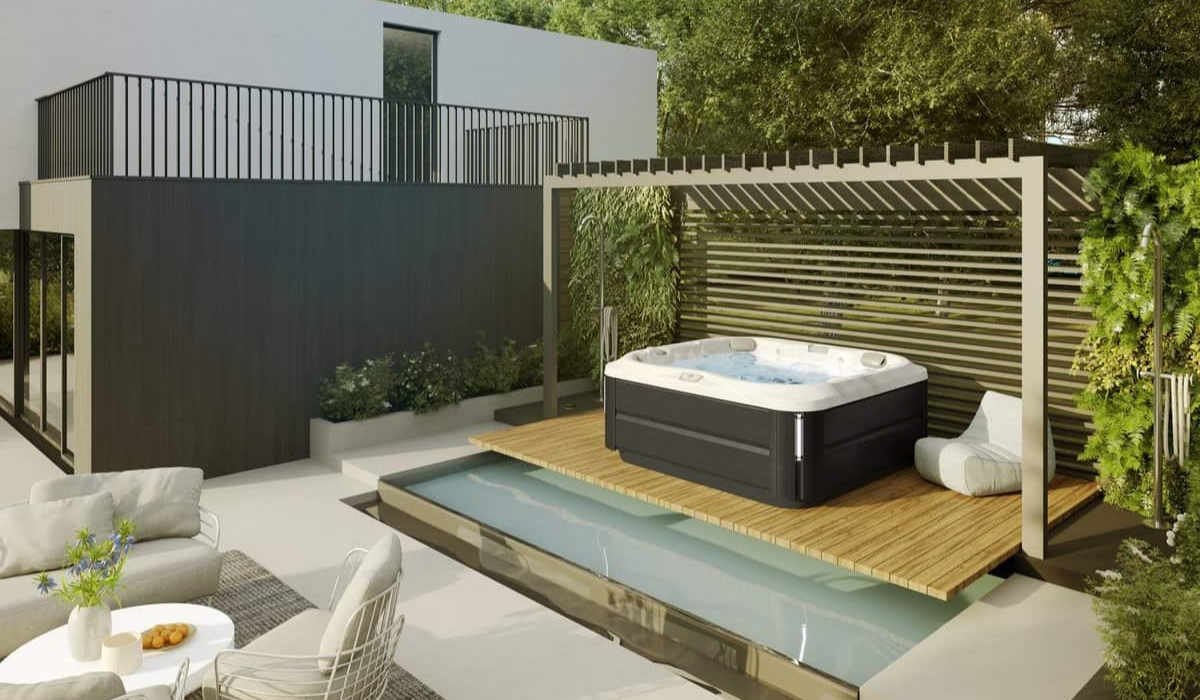
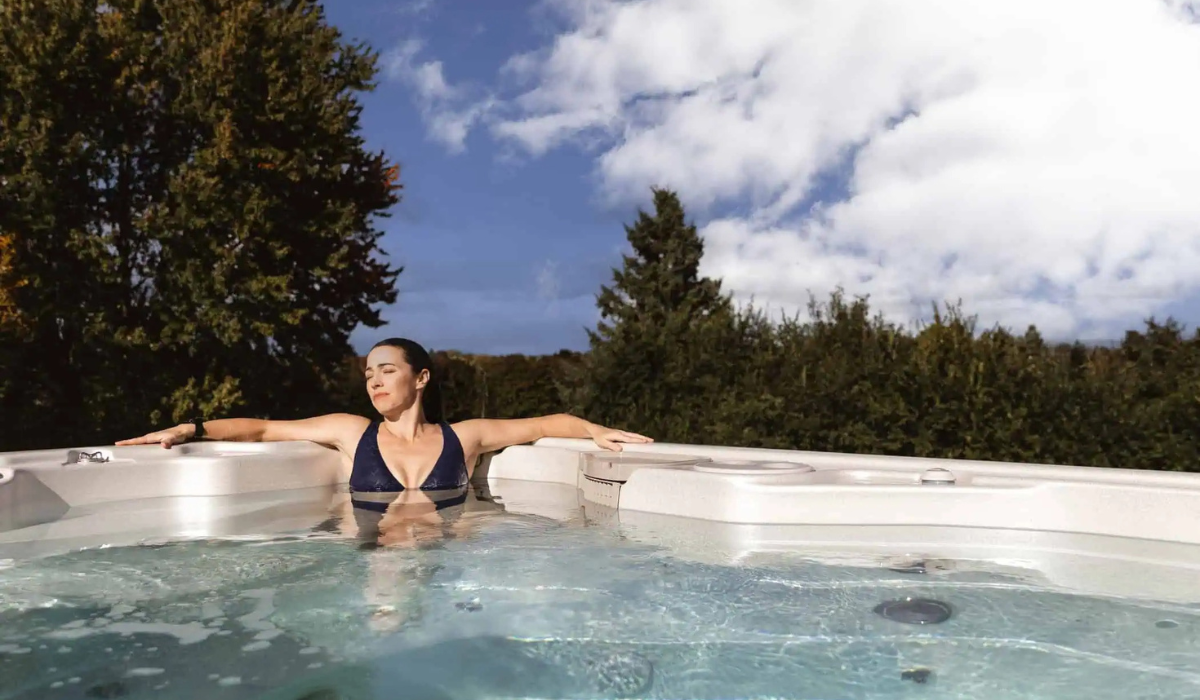
A hot tub is a self-contained, thermally insulated vessel with seating, jets, and water maintained at a therapeutic temperature — typically between 98 and 104°F. The jets vary by model and brand. In a Jacuzzi® hot tub, you’ll find sophisticated, multi-directional systems engineered to deliver targeted massage to specific muscle groups. In a Nordic Hot Tub™, you get a cleaner, more straightforward layout that prioritizes durability and efficiency.
Hot tubs are purpose-built for relaxation, hydrotherapy, and social soaking. They’re compact by design. Most models fit comfortably in a 7×7 or 8×8 foot footprint, which makes them accessible to backyards that wouldn’t support a larger installation. They run on a standard 240V electrical connection, and with a proper cover, they hold heat efficiently even through Maryland winters.
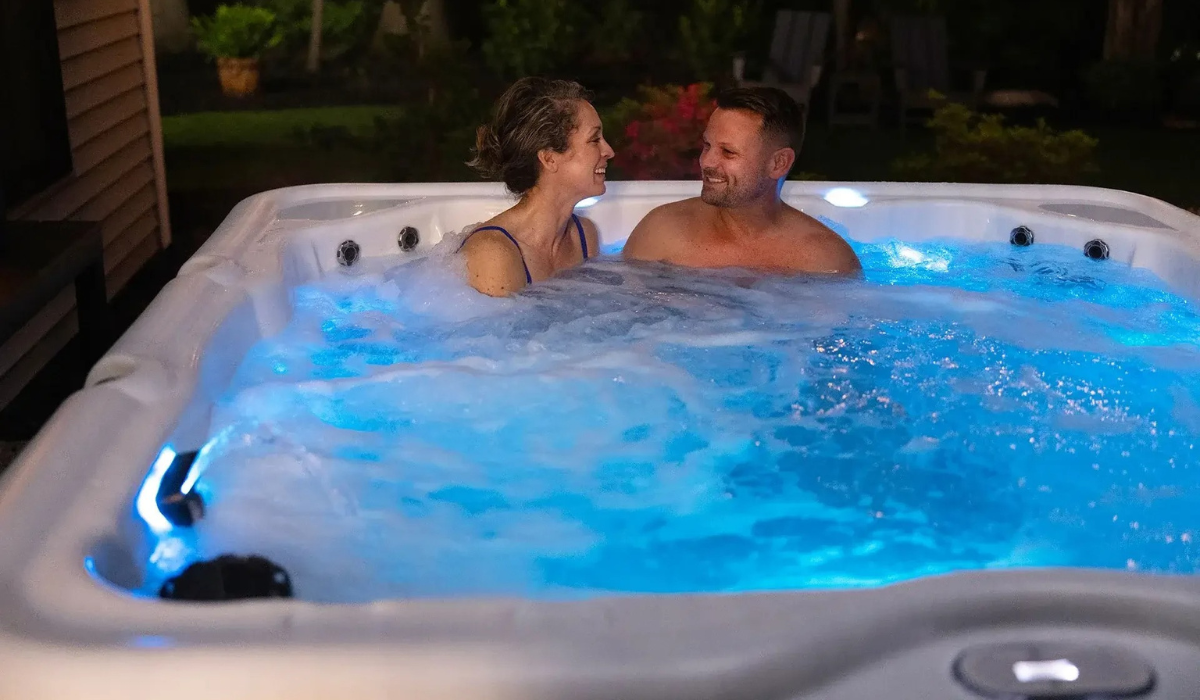
The user experience centers on being immersed in hot, jet-driven water for 15-30 minutes at a time. You’re not exercising. You’re recovering, decompressing, socializing, or addressing specific areas of physical discomfort. That’s a very deliberate and valuable use case — it’s just not everything a swim spa can do.
What a Swim Spa Adds to the Equation
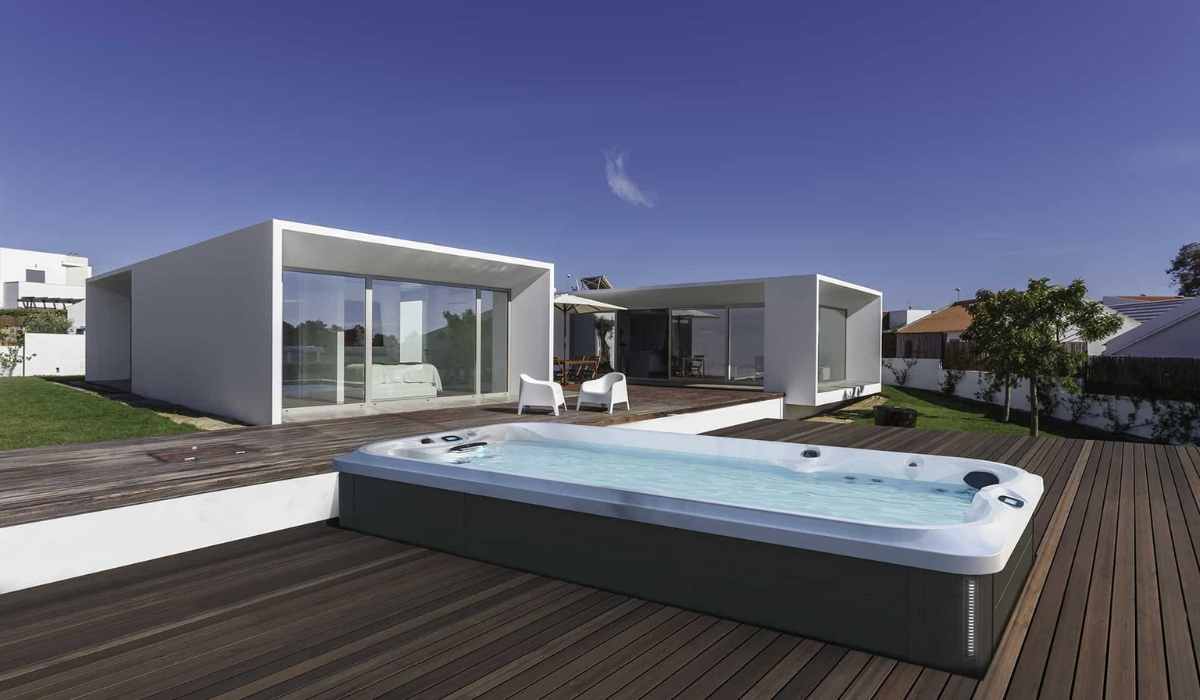
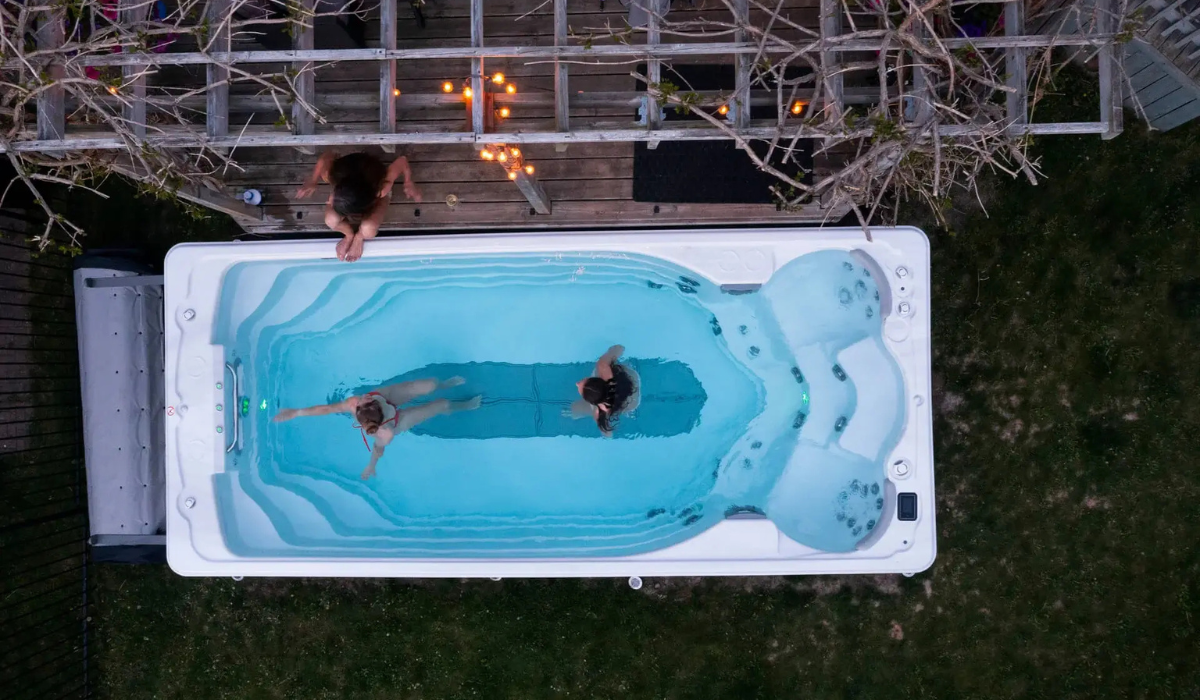
A swim spa is larger — typically 12 to 21 feet long — and uses a propulsion system to generate a constant current you swim against in place. Hydropool swim spas, which Van Dorn carries, are among the most respected in the industry for the quality and adjustability of their current systems. The Aqua Sport and Aqua Train models let you dial resistance from a gentle recovery pace to a competitive training current.
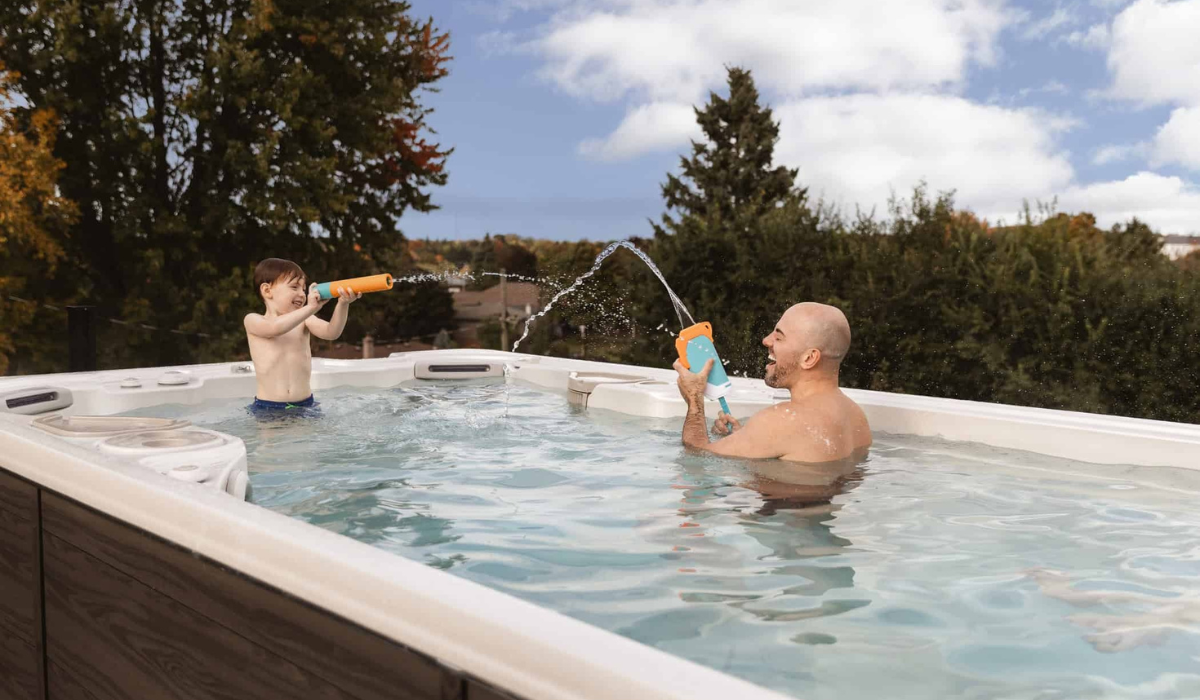
But swim spas aren’t just exercise machines. Most Hydropool models include a dedicated spa zone at one end with jets designed for hydrotherapy, essentially functioning as an integrated hot tub. You get the soaking and therapeutic benefits of a hot tub alongside the low-impact cardio and resistance training of an endless pool.
The size difference does have implications. Swim spas typically require an 8×16 to 8×21 foot footprint, plus clearance around the perimeter. They require a crane or specialized delivery equipment in most cases. And while they can be used year-round, heating a larger volume of water to therapeutic temperatures requires a more powerful heating system and carries higher operational costs than a compact hot tub.
The tradeoff is capability. A swim spa is the only product that lets a serious swimmer train at home without a full inground pool. It’s also the best option for aquatic physical therapy, family fitness, and multi-user versatility across generations and body types.
Comparing Costs: Purchase Price, Installation, and Operation
Price is an honest part of this conversation. A quality hot tub from Jacuzzi® or Nordic starts in the range of $6,000 to $15,000 depending on size, features, and jet configuration. Installation costs depend on site preparation — whether you need a new concrete pad, electrical upgrade, or privacy screening — but are typically manageable for most backyards.
A Hydropool swim spa starts higher, generally between $15,000 and $35,000+, reflecting the larger footprint, more complex mechanical systems, and greater material cost. Delivery typically requires a crane, which adds to the initial installation budget. Ongoing costs include higher heating energy and more water chemistry work to maintain a larger volume.
That said, cost comparisons have to account for what each product replaces. A swim spa for a family that currently pays for gym memberships, lap pool access, and physical therapy sessions can offset a meaningful portion of those ongoing costs. A hot tub for a household primarily interested in relaxation and joint therapy is a more straightforward return on investment.
Financing is available through Van Dorn for both categories, which changes the month-to-month math considerably. The team can model out payment structures based on your budget.
Space and Site Considerations in Maryland Backyards
Maryland’s mix of suburban lots, older home footprints, and four-season climate creates some real practical considerations that should factor into this decision before you fall in love with a product.
- Lot size and access: If your backyard gate or side yard access is narrow, a swim spa may require crane delivery over the roof or fence. This is manageable but adds cost and complexity.
- Surface: Both products need a level, load-bearing surface. A hot tub on a reinforced deck or concrete pad is standard. A swim spa, due to its weight when filled, typically needs a concrete foundation engineered for the load.
- Privacy: Swim spas are taller and longer, which can affect sightlines and may require fence or landscaping additions for comfortable use.
- Utilities: Both products need 240V power. Swim spas may require a dedicated circuit with higher amperage. Van Dorn’s team can advise on what your current panel can support before you commit.
Maryland’s winters are another factor. Both products are designed for four-season use, but a hot tub’s compact size makes it easier to maintain therapeutic temperatures efficiently. A swim spa’s larger water volume takes more energy to heat and keep heated during extended cold snaps. If winter use is a priority, the operating cost difference is worth calculating in advance.
Who Should Choose a Hot Tub
A hot tub is the right call if your primary goals are relaxation, social connection, and physical recovery. It’s the better fit if:
- You have a smaller backyard or tighter installation constraints.
- Your budget is under $15,000 all-in.
- Your primary use case is pain management, sleep improvement, or stress relief.
- You want a product that’s easy to operate, maintain, and cover through all four seasons.
- You’re looking for something the whole family can use socially without it needing to serve as an exercise facility.
Both Jacuzzi® and Nordic Hot Tubs have models suited to couples, small families, and larger groups. The team at Van Dorn can match model size and jet configuration to your specific therapeutic and lifestyle goals.
Who Should Choose a Swim Spa
A swim spa earns its price tag when your priorities extend beyond soaking. It’s the right call if:
- You or someone in your household wants to swim laps, train, or maintain fitness at home.
- You need a product that serves as both an exercise facility and a hydrotherapy station.
- You have the outdoor space and budget to support a larger, heavier installation.
- You’re comparing it against the cost of an inground pool, where the swim spa offers year-round use in a fraction of the footprint.
- Aquatic physical therapy — for joint rehab, post-surgical recovery, or mobility challenges — is a significant use case in your household.
Hydropool’s self-cleaning filtration system is worth calling out specifically. It filters 100% of the water every 15 minutes, which makes water chemistry management more manageable in a larger vessel and keeps operating costs lower than you might expect.
Frequently Asked Questions
Can you use a swim spa for the same kind of relaxation as a hot tub?
Yes. Most Hydropool swim spas include a dedicated spa section with hydrotherapy jets designed to deliver the same kind of targeted massage you’d find in a standalone hot tub. You can absolutely use a swim spa purely for relaxation, though the investment is higher than a hot tub if that’s your only goal.
Which product is easier to maintain?
Hot tubs are generally easier to maintain due to their smaller water volume. Fewer gallons mean chemistry adjustments are quicker and less frequent. Hydropool’s self-cleaning system narrows this gap significantly, but for straightforward maintenance with minimal time investment, a hot tub wins.
Can both products be used during a Maryland winter?
Yes. Both are designed for year-round use. A quality hot tub with a well-insulated cover and full-foam construction can hold water at 102°F even in freezing temperatures without excessive energy draw. Swim spas take more energy to heat during extended cold periods but are built to operate through winter.
Do I need a permit to install a hot tub or swim spa in Maryland?
Permit requirements vary by county in Maryland. Some jurisdictions require electrical permits, and swim spas may trigger additional structural or zoning requirements due to their size and weight. Van Dorn’s installation team is familiar with local requirements and can help you determine what’s needed before delivery.
What if I want to try before I decide?
Van Dorn Pools & Spas has working models in the showroom. You can sit in the hot tubs, feel the jets, and get a hands-on sense of the size difference before committing to either product. The team is happy to walk you through both options without pressure.
Make the Call With Confidence
The hot tub versus swim spa decision doesn’t have to be a source of paralysis. Both are excellent long-term investments when they’re matched to the way you actually live. A hot tub delivers focused therapeutic and social value in a compact, efficient package. A swim spa expands that into full fitness and aquatic therapy territory at a larger scale.
Van Dorn Pools & Spas serves homeowners throughout the greater Baltimore area from three showroom locations in Kingsville, Reisterstown, and Shrewsbury. Stop in and let the team help you think through the specifics of your backyard, your budget, and your goals. The right answer exists. It just needs a little more information to find it.