
When Pain Becomes the Backdrop of Your Day
You wake up stiff. Your lower back protests before you’ve touched the floor. By mid-afternoon, your knees remind you of every flight of stairs you’ve climbed. If chronic pain feels like a permanent roommate, you’re not alone. Millions of Americans deal with recurring muscle soreness, joint inflammation, and tension that no amount of rest seems to fully fix.
Over-the-counter painkillers can take the edge off, but they’re not a long-term strategy. Heating pads help for an hour. Stretching helps, if you can manage it. But there’s a frustrating gap between what you need and what most everyday remedies actually deliver.
Hot tub hydrotherapy closes that gap. It’s not a gimmick or a luxury indulgence — it’s a clinically recognized therapeutic method that hospitals, physical therapists, and sports medicine practitioners have used for decades. The difference is that modern hot tubs bring that therapy home, available in your backyard in Reisterstown, Kingsville and Shrewsbury any time you need it.

What Hydrotherapy Actually Means
The word gets thrown around a lot, but hydrotherapy has a specific definition: the use of water, at controlled temperatures and pressures, to treat physical conditions. Hot tub hydrotherapy combines three forces to achieve its results: heat, buoyancy, and massage.
Heat causes blood vessels to dilate, which increases circulation to sore or damaged tissue. More blood flow means more oxygen and nutrients reaching the muscles and joints that need repair. It also raises your core body temperature slightly, which triggers the nervous system to slow down pain signals to the brain — a process sometimes called the “heat gate” effect.
Buoyancy is equally important. When you’re submerged to the neck, water supports around 90% of your body weight. Your joints are no longer bearing the load they do when you stand or walk. That relief allows the surrounding muscles to relax completely, which is something most people never achieve on dry land.
Massage jets do the mechanical work. They direct pressurized streams of water at specific muscle groups, breaking up tension knots, stimulating nerve endings, and promoting lymphatic drainage. Different jets are engineered for different purposes: some rotate for broad coverage, others pulse for trigger-point work, and directional jets let you target a specific hip, shoulder, or lumbar area.
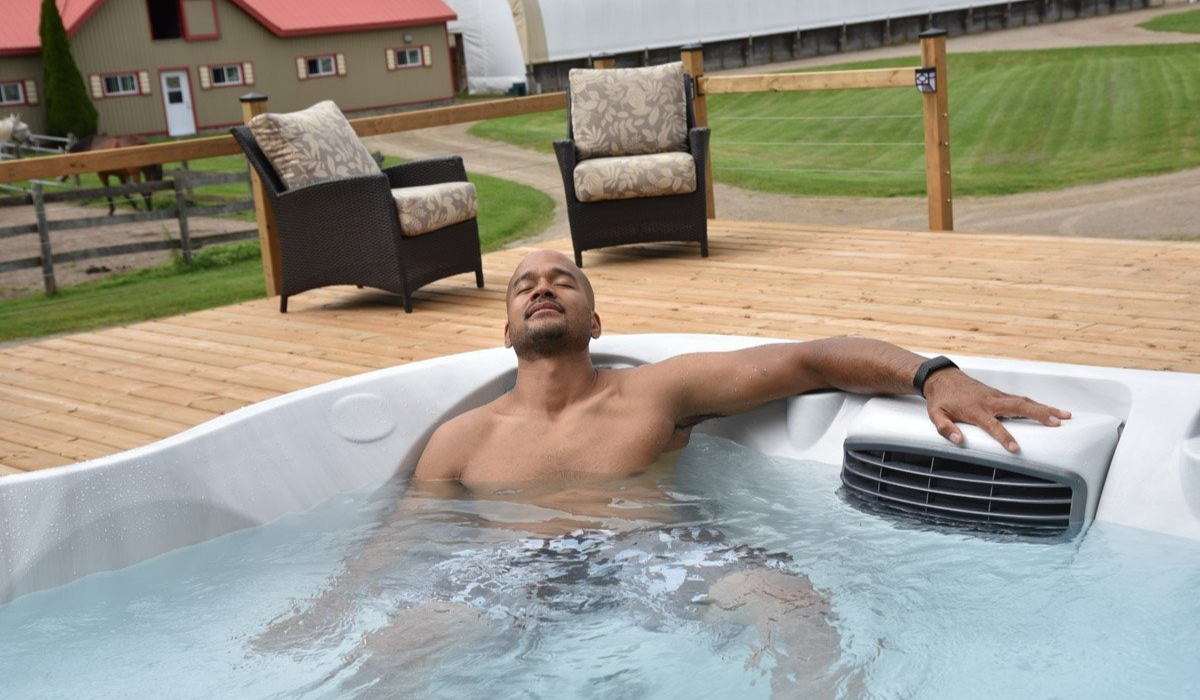
The Conditions That Respond Best to Regular Soaking
Hydrotherapy isn’t a one-size-fits-all treatment, but certain conditions respond to it consistently and well. Here’s where the evidence is strongest:
Arthritis: Both osteoarthritis and rheumatoid arthritis involve joint inflammation that makes movement painful. Warm water reduces joint stiffness and allows a greater range of motion than most people can achieve standing on their own. The Arthritis Foundation has specifically recommended warm water therapy as a low-impact option for managing symptoms.
Lower Back Pain: The lumbar region carries an enormous load throughout the day. Muscle tension and compressed discs are common culprits. Soaking in a hot tub with targeted lumbar jets can relax the deep paraspinal muscles in a way that surface-level massage rarely reaches.
Fibromyalgia: This chronic pain condition affects the musculoskeletal system and is notoriously difficult to treat. Studies have shown that regular warm water immersion can reduce pain intensity scores and improve sleep quality in fibromyalgia patients — two outcomes that directly affect daily quality of life.
Post-Exercise Soreness: Delayed onset muscle soreness (DOMS) peaks 24-48 hours after exercise. A hot tub soak during that window flushes out metabolic waste like lactic acid while delivering fresh, oxygenated blood to damaged muscle fibers, shortening the recovery window.
Stress-Induced Tension: Chronic stress creates physical pain. The trapezius muscles across your upper back and shoulders are often the first to tighten under psychological load. The combination of heat, buoyancy, and shoulder jets produces measurable reductions in cortisol levels — the body’s primary stress hormone.
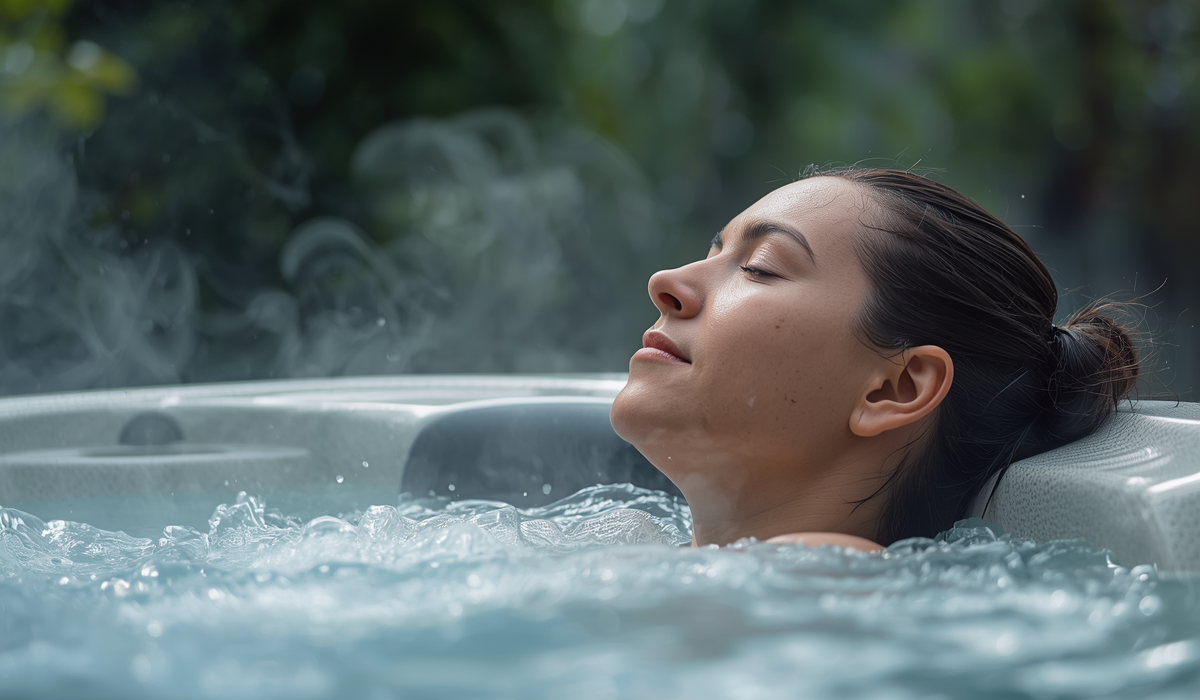
How Jacuzzi® Hot Tubs Engineer the Hydrotherapy Experience
Not all hot tubs are built with the same therapeutic intent. Jacuzzi® — the brand that invented the whirlpool bath — has spent decades engineering jets, seating configurations, and water delivery systems specifically to support hydrotherapy outcomes.
The PowerPro® jets used across Jacuzzi® models are designed to deliver variable pressure at precise angles. Instead of a generic stream, these jets replicate the kneading and rolling motion of a trained massage therapist. Models in the J-400™ and J-LX® Collections include specialized seating positions — including full-body loungers and angled therapy seats — so different users can target different areas without repositioning the jet hardware itself.
The ProAir® seats incorporate air-injection massage alongside water jets, creating a softer, effervescent pressure that’s ideal for people who find jet massage too intense. This matters for arthritis patients, the elderly, or anyone post-surgery who needs therapeutic benefit without aggressive pressure.
Jacuzzi® also integrates SmartTub™ technology, allowing homeowners to monitor water temperature remotely and have their tub ready at therapeutic temperature when they arrive home. Consistency matters in hydrotherapy: a tub that’s reliably at 102°F when you need it is one you’ll actually use. Come visit one of our show rooms in in Reisterstown, Kingsville and Shrewsbury and try for yourself.
Nordic Hot Tubs and the Case for Simplicity
Nordic Hot Tubs™ take a different but equally effective approach. Where Jacuzzi® leans into feature engineering, Nordic focuses on structural durability and clean, efficient hydrotherapy. Nordic tubs are built with a full-foam insulation system and a thick acrylic shell designed to retain heat with minimal energy draw — an important factor for Maryland homeowners who want year-round hydrotherapy without inflated utility bills.
The jet configurations on Nordic models are straightforward and well-placed. They prioritize coverage across the back, hips, calves, and feet — the areas most people report as their primary pain zones. The controls are intuitive, which matters when you’re tired or in pain and don’t want to navigate a touchscreen to adjust a jet.
Nordic tubs are also known for their cabinet durability. The high-density polyethylene exterior resists the humidity, freeze-thaw cycles, and UV exposure that Maryland’s four-season climate delivers. If you want therapeutic results without the complexity, Nordic is a serious contender.
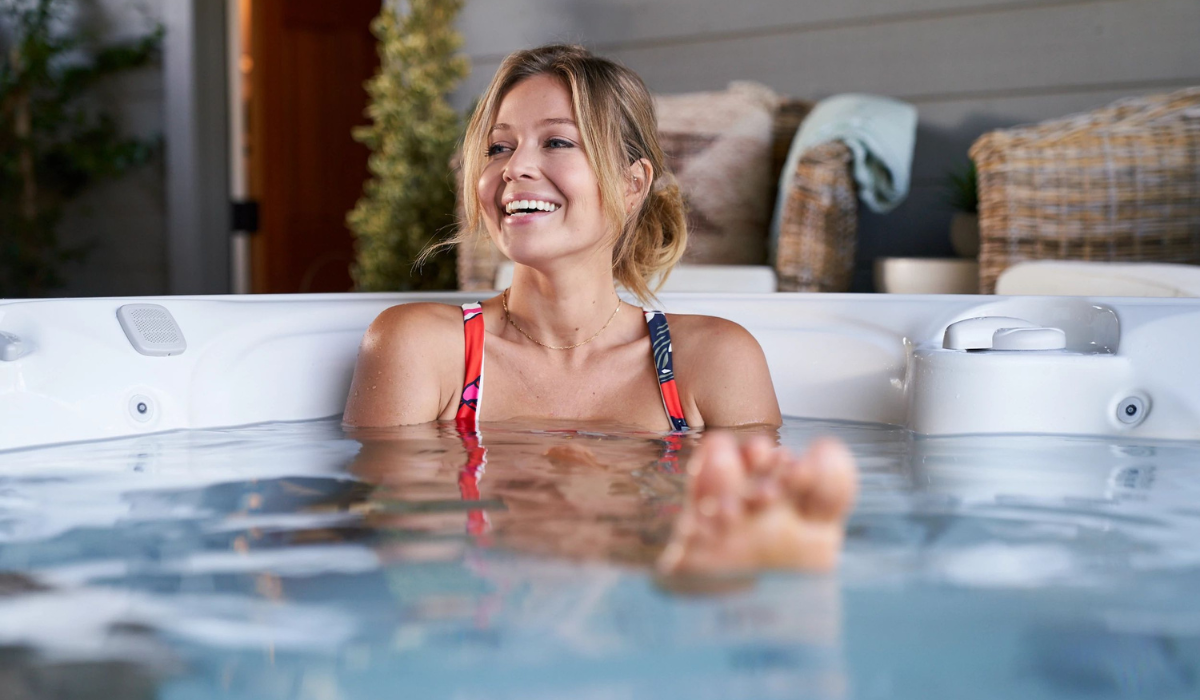
Building a Home Hydrotherapy Routine That Actually Works
Owning a hot tub is only half the equation. Getting consistent therapeutic results requires a routine built around your needs. Here are practical guidelines that physical therapists and hydrotherapy practitioners actually recommend:
- Soak at 100-104°F for 15-20 minutes. Higher temperatures don’t mean better results and can dehydrate you faster.
- Evening soaks (30-60 minutes before bed) improve sleep by triggering a post-soak drop in core body temperature that signals the brain to produce melatonin.
- For joint conditions, soak daily during flare-ups. During stable periods, three to four times per week maintains the benefit.
- Always hydrate before and after. Heat causes fluid loss even when you don’t feel sweaty.
- Pair your soak with gentle range-of-motion stretches in the water. Buoyancy makes movement possible that gravity would resist.
- Give the jets 3-5 minutes on each major muscle group rather than sitting in one position the whole time.
What to Expect When You Visit Van Dorn Pools & Spas
Van Dorn Pools & Spas has served the greater Baltimore area for decades from showrooms in Kingsville, Reisterstown, and Shrewsbury. When you come in, you’re not walking into a high-pressure sales environment. You’re walking into a working showroom where you can sit in the tubs, feel the jets, and ask the kind of detailed questions that don’t have easy online answers.
The team at Van Dorn can walk you through the full Jacuzzi® and Nordic Hot Tubs lineup, explain the differences between jet configurations, and help you match a model to your specific pain concerns. If lower back relief is your primary goal, that changes which seat positions and jet patterns matter most. If sleep improvement is the priority, that changes which temperature control features become non-negotiable.
Financing options are available, and the team can help you think through site preparation, electrical requirements, and delivery logistics before you commit. Buying a hot tub is a significant decision, and Van Dorn treats it that way.
Frequently Asked Questions
How long does it take to feel relief from hot tub hydrotherapy?
Most people notice some muscle relaxation after their first soak. For chronic conditions like arthritis or back pain, consistent use over two to four weeks typically produces the most meaningful change. The cumulative effect of regular soaking is significantly greater than occasional use.
Is it safe to use a hot tub every day?
For most healthy adults, daily soaking at 100-104°F for 15-20 minutes is safe. If you have cardiovascular conditions, are pregnant, or take medications that affect circulation, check with your doctor first. Van Dorn can also recommend lower-temperature soak protocols for people with health sensitivities.
What temperature is best for pain relief?
The sweet spot for therapeutic benefit is 100-102°F. Higher temperatures don’t accelerate relief and increase dehydration risk. For elderly users or those with certain conditions, 98-100°F can still deliver meaningful benefit with lower physiological stress.
Can a hot tub help with sleep problems?
Yes, and the mechanism is well-documented. Soaking 30-90 minutes before bed raises your core body temperature, and the subsequent drop as you cool down signals your body that it’s time to sleep. This mirrors the natural temperature drop that precedes deep sleep. Multiple studies show improved sleep onset and sleep quality with regular pre-bed soaking.
Do I need a doctor’s referral to use hydrotherapy at home?
No referral is needed. Home hot tubs are consumer products. That said, if you have a specific medical condition and want to use hydrotherapy as part of your treatment, discussing frequency and temperature with your healthcare provider ensures you’re getting the most benefit safely.
The Bottom Line
Chronic pain doesn’t have to set the tone for your day. Hot tub hydrotherapy gives you a consistent, drug-free way to manage soreness, joint stiffness, and stress from the privacy of your own backyard. The combination of heat, buoyancy, and targeted jet massage works on the physiology of pain in ways that most at-home remedies can’t match.
Van Dorn Pools & Spas carries the Jacuzzi® and Nordic Hot Tubs lines specifically because these brands are built with therapeutic performance in mind. Stop by any of the three showrooms in Kingsville, Reisterstown, or Shrewsbury to sit in the tubs and talk through which model fits your life and your pain points. You don’t have to just manage the discomfort. You can actually do something about it.